Uncover the Crucial Services Delivered by a Professional Arborist to Ensure Tree Health
A professional arborist provides numerous services vital for ensuring tree wellness and beautifying outdoor spaces. Their expertise in tree pruning promotes growth and lessens dangers. They also assess and handle tree diseases, ensuring tailored treatment plans are implemented - Florence Arborist. Additionally, arborists perform safe tree extractions and help with planting and transplanting. Their role is even more vital during emergencies such as storm damage. Knowing these services can profoundly influence one’s approach to tree care
The Necessity of Tree Pruning
Although many homeowners might ignore the importance of tree pruning, it plays an essential role in preserving the health and aesthetics of trees. Proper pruning aids trees in developing a robust structure, taking away dead or sick branches that could present dangers. By selectively trimming branches, the tree can focus its energy on healthy growth, fostering superior air movement and sunlight penetration. Additionally, pruning can enhance the overall appearance of the tree, forming it for visual beauty in residential landscapes.
Moreover, regular pruning can avoid possible dangers, such as limbs falling during storms or high winds, which could cause property destruction or hurt people. It also aids in the prevention of insect problems and diseases by improving the tree's resilience. Ultimately, retaining expert arborist services for tree pruning makes sure trees are kept healthy, safe, and attractive, greatly contributing to the overall beauty and value of the property.
Diagnosing and Managing Tree Diseases
Tree health can be greatly compromised by different illnesses that may not always be readily apparent. A professional arborist plays an essential role in detecting these problems soon, utilizing a combination of visual inspections and assessment instruments. Symptoms such as unusual leaf coloration, wilting, or unusual growth patterns often indicate hidden health problems. Arborists examine these indicators to pinpoint particular diseases, whether fungal, bacterial, or viral in nature.
Following the diagnosis, the arborist develops a specific treatment strategy. Such a strategy might incorporate specific applications, such as chemical controls, and cultivation methods that boost the tree's resistance. In addition, proper watering, mulching, and nutrition helps greatly enhance the vitality of the tree and ability to fight off illness. Consistent observation and further interventions are necessary for successful control, guaranteeing the lifespan and vigor of the trees. By addressing tree diseases proactively, tree specialists ensure the environmental value and aesthetic appeal that healthy trees offer.
Best Practices for Tree Felling
Effective tree removal practices are critical for securing safety and minimizing damage to surrounding property. Expert tree specialists conduct a comprehensive evaluation of the state of the tree, where it is situated, and the immediate vicinity before proceeding with removal. Professionals employ dedicated machinery, such as rigging equipment and chainsaws, to ensure accurate cutting and control during the felling process.
A carefully designed extraction plan includes identifying potential hazards, such as nearby buildings or utility lines, which can impact the safety of the operation. Professionals commonly utilize study the process called "sectional dismantling," where the tree is cut down in smaller segments, reducing the risk of falling debris.
Furthermore, professionals comply with municipal guidelines to ensure adherence and environmental stewardship. Once the tree is down, proper cleanup and disposal of the remaining wood and brush, stump removal being included, contribute to the overall safety and look of the landscape.
Tree Planting and Relocation
Installing and relocating trees demands close attention of choosing the location and installation methods to ensure future vitality and growth. The right location can greatly impact a tree's development, while proper planting methods reduce trauma and promote successful establishment. Tree specialists highlight these elements as critical for improving the strength and endurance of trees in all environments.
Selecting an Appropriate Site

Choosing the right location for planting or transplanting trees is critical to their long-term health and growth. Considerations including the condition of the soil, sunlight exposure, and water flow needs careful consideration. Certified arborists examine the specific site conditions, ensuring that the chosen spot offers sufficient nourishment and stability for the specific tree type. Additionally, the closeness to current buildings and other plants is essential to avoid resource contention and steer clear of future injury. Arborists also consider the tree’s mature size and root structure, making sure there is ample room to expand. Via an in-depth assessment of the location, these experts help clients choose wisely that promote healthy, thriving trees, ultimately enhancing the landscape’s visual appeal and natural benefits.
Optimal Planting Methods
When the planting spot is meticulously reviewed and picked, the subsequent phase requires applying the best tree installation practices. Preparing the planting hole correctly is crucial; it should be two times wider than the root mass and not deeper than the root mass. The tree should be placed in the hole so that the upper surface of the roots aligns with the surrounding soil. Fill the hole with local earth, ensuring there are no air pockets, and soak the area well to help the roots settle in initially. Mulching around the base assists in keeping water in and keep weeds down. Florence Arborist. For transplanting existing trees, care must be taken to reduce root trauma and move the tree while it is inactive for the highest rate of success. Implementing these practices promotes robust development and extended health
Arborist Action Following Severe Weather
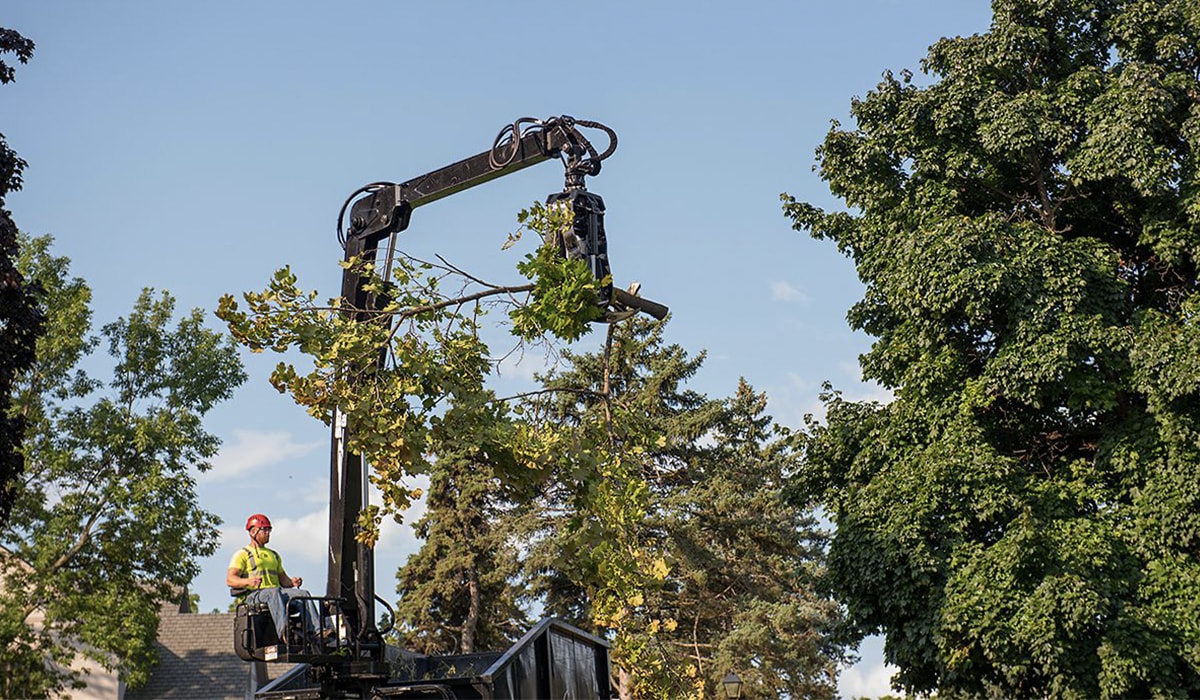
When severe storms strike, the aftermath can leave trees in hazardous situations, creating threats to buildings and people. Professional arborists play a vital role in emergency response, evaluating storm-damaged trees to gauge their soundness and condition. Their expertise allows them to identify which trees are recoverable and which are serious, instant risks that need to be taken down.
Equipped with specialized tools, they can carefully cut damaged boughs and clear debris, preventing subsequent injury to surrounding areas. Arborists also offer helpful guidance on risk mitigation, such as choosing sturdy types of trees for future planting.
Apart from the initial cleanup, arborists help homeowners understand the future impacts resulting from the weather, providing advice for restoration and healing. By responding rapidly and capably, certified tree experts safeguard assets but also aid in the recovery of the local environment following major weather events.
Tree Nutrition and Soil Management
Subsequent to storm damage, the priority becomes the well-being of the trees that remain, underscoring the importance of nutrient assistance and ground care. A qualified tree expert evaluates soil conditions and tree vitality to ascertain precise nutrient requirements. Trees require vital elements, like nitrogen, phosphorus, and potassium, to recover and thrive following stressful periods.
Soil management is crucial for nutrient availability and the growth of roots. Tree specialists often suggest ground improvements, like organic matter, to improve the ground's composition and the action of microorganisms. Proper pH levels are also evaluated, as they impact nutrient uptake.
Applying mulch can keep the ground moist and prevent weed growth, creating an ideal environment for trees to heal. Through the creation of a comprehensive nutrient strategy and implementing effective soil management strategies, arborists guarantee trees regain strength, resilience, and total well-being, a factor essential to maintaining a balanced ecosystem following environmental disturbances.
Questions and Answers
What is the Recommended Inspection Frequency?
Trees should be evaluated once a year for optimal condition. Nevertheless, more frequent evaluations might be required for younger trees, post-major weather incidents, or if they show signs of stress or sickness.
What Expertise is Needed in an Arborist?
In your search for a tree expert, one should look for credentials such as ISA (International Society of Arboriculture) accreditation, applicable work history, proper liability insurance, and a solid name within the community, guaranteeing skill in tree care and safety practices.
Do Arborists Utilize Special Equipment for Tree Care?
Arborists utilize various specialized tools for tree care, including chainsaws, pruning shears, climbing gear, and stump grinders. Every piece of equipment has a distinct function, allowing for proper upkeep, pruning, and tree extraction while promoting overall health and safety.
In What Ways Does the Weather Impact Tree Health?
The state of the weather strongly influences tree health; excessive rain can lead to root rot, while drought stresses trees. Extreme temperatures may cause damage to leaves and branches, in turn harming development, durability, and overall vigor of the trees.
Am I able to care for my trees personally, or Should I use a professional service?
Even though a few fundamental tree care duties can be done by people themselves, it is usually recommended to hire an expert - Florence Arborist. Specialists are equipped with unique expertise and gear, which guarantees the trees get the proper care necessary for the best possible health and growth
Comments on “Dependable Tree Trimming Florence County”